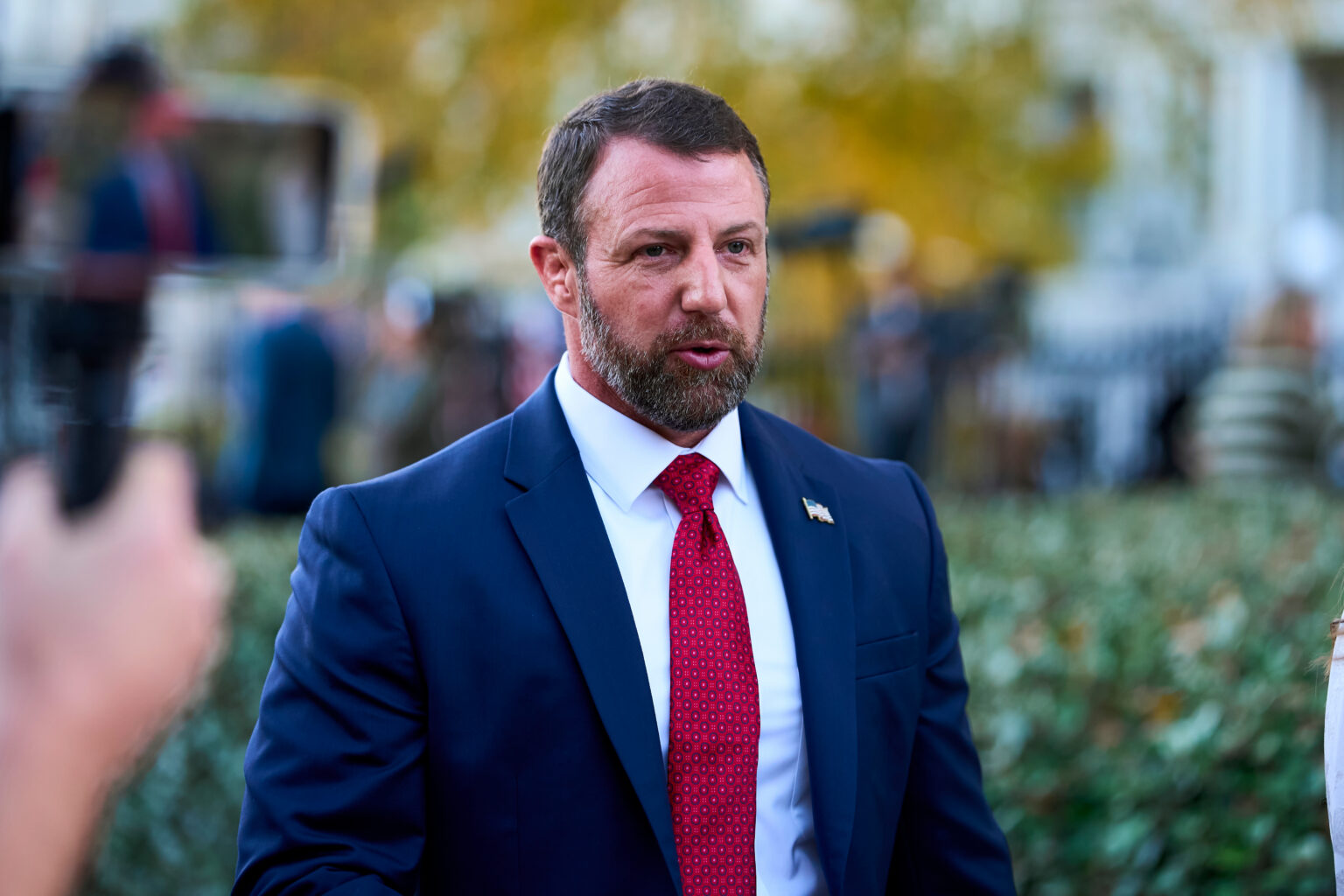
Just hours before polling places began closing on election day, federal authorities signaled that their intense focus on noncitizen voting would extend far beyond the immediate count. Department of Homeland Security Secretary Markwayne Mullin publicly announced that the administration intends to review post-election voting logs across the country to determine whether ineligible individuals cast ballots.
Speaking during a television appearance, Mullin asserted that federal agencies plan to collect state registers and voting records to conduct a sweeping review. "After this election we’ll be gathering all the data, we’ll be gathering the voting logs, and we’ll be going through those and making sure that no illegals voted," Mullin stated, adding that it remains the federal government's responsibility to verify that every ballot cast strictly adhered to federal eligibility standards.
Legal Limits and State Authority
The planned post-election initiative faces significant legal and logistical hurdles. Under the United States Constitution, individual states maintain primary authority over the administration of elections, including the maintenance of voter rolls and the control of physical ballots and voting equipment. Laws governing public access to voter data differ substantially from state to state; while public lists may indicate whether a registered individual participated in a specific election, sensitive personal identifier numbers remain strictly protected by privacy laws.
Federal attempts to examine state voting records have repeatedly run into resistance from state officials and the judicial system. The Department of Justice previously requested unredacted voter files from numerous state authorities, but most states declined to hand over the records. Subsequent legal challenges brought by federal prosecutors seeking mandatory access to those files have been consistently rejected in court.
"The DHS has no business doing what they're saying they will do. That's beyond their official responsibility and ability."
Despite these legal setbacks, federal agencies have maintained legal pressure in select jurisdictions. In California, federal prosecutors sought to prevent state officials from counting roughly 20,000 ballots belonging to individuals whose citizenship status was questioned by federal authorities. California officials refused the demand, and the U.S. Supreme Court ultimately rejected an emergency request to set aside those votes before Election Day. Similar challenges were lodged in Washington state, where federal officials demanded that local election workers set aside 405 specific ballots, prompting voting rights organizations to file preemptive lawsuits to block federal interference.
Examining Claims of Unlawful Ballots
The administration’s emphasis on noncitizen voting stands in sharp contrast to research and historical data regarding American elections. Multiple independent studies, academic reviews, and state-level audits have consistently found that noncitizen voting is exceptionally rare and has never occurred in quantities sufficient to alter the outcome of a federal or state election. Strict federal penalties, including felony prosecution and mandatory deportation, serve as powerful deterrents against noncitizens attempting to register or vote.
Earlier claims made by federal officials regarding widespread noncitizen registration have faced swift corrections under closer scrutiny. Sweepingly high figures previously offered regarding noncitizen registration in states such as California, Pennsylvania, Nevada, and New Jersey dropped dramatically once official state verification procedures were applied. In several instances, data mismatches stemmed from outdated administrative records or administrative delays in updating the rolls following naturalization, rather than actual noncitizens attempting to vote.
"The only way to vote is to be on the voter list. The only way to be on the voter log is to be a legal voter. The only way someone could illegally vote is by passing themselves off as a legal voter whose name is on the legal voting list."
The Ongoing Debate Over Election Oversight
The announcement of post-election audits highlights deep political divisions over election security and government oversight. Proponents of strict verification contend that inspecting logs after the polls close is necessary to maintain public confidence in the integrity of the vote and ensure federal laws are upheld. They argue that thorough cross-referencing between federal immigration databases and state voting histories is a valid measure to guarantee that only qualified citizens participate.
Conversely, voting rights advocates and state officials view the administration's actions as an overreach designed to cast doubt on legitimate election outcomes and pressure local administrators. Critics emphasize that relying on incomplete or outdated federal records risks disenfranchising legally naturalized citizens whose status updates have not yet propagated through government systems.
"And that’s exactly why any post-election 'voting log' review needs evidence, transparency, and public scrutiny, not just accusations."
As election workers continue the official process of counting and certifying ballots, state election directors maintain that existing safeguards—including signature verification, paper trail audits, and bipartisan canvassing boards—remain the official and legally binding mechanism for verifying the legitimacy of the vote.

