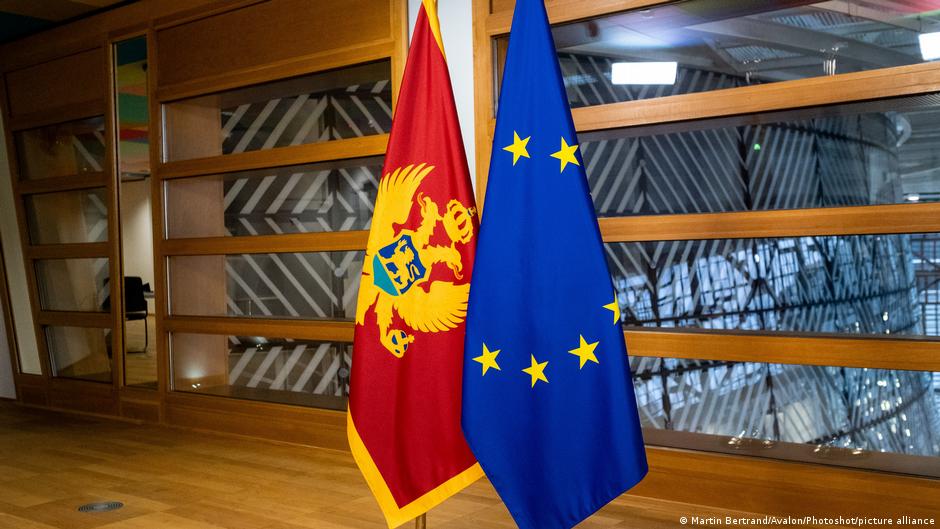
The European Union (EU) has signaled a major milestone in its enlargement policy, with Montenegro poised to become the bloc's next member state by 2028. This development comes after the European Commission praised Montenegro's sustained efforts to align with EU standards and implement necessary reforms.
Montenegro's Progress and EU Membership Path
Montenegro, a Balkan country with a population of 630,000, has been identified as the frontrunner among nine candidate countries vying for EU membership. The European Commission's annual enlargement policy report highlighted Montenegro's advancements, particularly in areas such as fundamental rights and financial services. If negotiations conclude by the end of this year, an accession treaty could be signed in June 2027, paving the way for membership finalization in 2028.
As one observer noted, 'I love Montenegro – yes, further reforms are necessary but they’ve made incredible progress so far. They deserve it.'
Challenges and Reforms Ahead
Despite its progress, Montenegro must continue to address key areas to meet EU requirements. These include further reforms in fundamental rights and financial services, ensuring alignment with EU laws and standards. The country's use of the Euro, though not officially part of the Eurozone, has been a point of discussion. 'We've been using the Euro for the same duration Germany has been, so we are one of the first adopters,' one commenter pointed out, addressing concerns about the currency's adoption.
Other Aspiring EU Members
While Montenegro leads the pack, other countries like Albania, Ukraine, and Moldova are also making strides toward EU membership. Albania, roughly a year behind Montenegro, needs to focus on justice system reforms and combating organized crime and corruption. Moldova's ambitious reform timeline is deemed achievable if progress continues at the current pace. Ukraine, despite the challenges posed by the Russian invasion, has been praised for its efforts but must accelerate reforms to strengthen the rule of law and democratic institutions.
Regional Dynamics and Political Hurdles
The accession process is not without its complexities, as highlighted by discussions around North Macedonia's progress. 'Needs to bend the knee to Bulgaria, for now...' one commenter remarked, underscoring the diplomatic challenges faced by some candidates. Similarly, Serbia's progress has been slower, though recent political changes offer a potential fresh start. 'Now Serbia has the chance for a fresh start,' said Enlargement Commissioner Marta Kos, emphasizing the opportunity for democratic strengthening.
The Broader Impact of EU Enlargement
The potential addition of Montenegro and other candidates has sparked discussions about the EU's future. 'Great news! Would like all the Balkans to join as well as Moldova and Ukraine... Strength in numbers,' one enthusiast commented. However, concerns about the EU's decision-making processes have also surfaced, with calls for veto reforms to address vulnerabilities. 'We. Need. Veto. Reforms. I understand it's hard to convince countries to give up their veto, but we have to address this issue before expanding the EU further,' urged a commentator, highlighting the need for internal adjustments to accommodate new members.
Looking Ahead
As Montenegro moves closer to EU membership, the bloc's enlargement policy continues to shape the political and economic landscape of Europe. The progress of candidate countries reflects both their commitment to EU values and the challenges inherent in the accession process. With Montenegro on track to join by 2028, the EU is set to welcome a new member that promises to contribute to a stronger, more unified Union.

